Monday, August 12, 2013

7 Questions to Help Deconstruct Your Sugar or Carb Cravings

By Laura Thomas
 
Cravings aren’t fun, I know. They can dominate your thoughts, take over your day and make you restless. Getting the better of your sugar or carb cravings, starts with a bit of analysis and a number of thought provoking questions. Here are some simple questions to ask yourself when you find you would literally bend over backwards for that warm chocolate chip cookie.

1. Have you eaten in the last 4-5 hours?
If you haven’t eaten in a few hours, chances are the cravings could be linked to low blood sugar. Fill up on a meal or get hold of a protein rich snack. Nuts, cheese, carrots and hummus are all good choices.

2. Are you thirsty?
Dehydration can often cause cravings. Get a large glass of water down and wait 20 minutes to see if your body was in fact craving hydration.

3. Are you tired?
Lacking in the sleep department is a quick-fire way to bring about sugar and carbohydrate cravings. Ensuring you get enough sleep should be your number one health priority if you’re seriously trying to overcome your cravings and don’t want to be on the back foot before you even get out of bed. When I was dominated by sugar, a lack of sleep would nearly almost certainly have me craving hot chocolate at 10:00 am for that extra energy boost.

4. Are you bored?
If you aren’t tired or hungry, are you simply craving distraction? If you work at home or in an office, we often want a break from the computer. Visiting the cafeteria can often feel like the default response. First, rank your true hunger from 1-10 and then try doing something else for 20 minutes. Give someone a phone call, catch up on some social media sites or go for a walk outside.

5. Is it lifestyle imbalance?
Ask yourself if your emotions are driving your cravings? Has it been a bad day? Do you want something to make you feel good, a quick fix of happy hormones? If you’ve got used to relying on food as a quick emotional ‘pick me up’ then you may need to look at how you enhance more fundamental elements of your lifestyle to fill the void. Is there a new hobby you could take up? Is your relationship working? Do you need to make a change to your career or work?

6. Could it be hormonal?
Hormones can have very strong influences on cravings for some individuals. If you suspect this might be the case, start keeping a diary to track any patterns so you can improve your understanding and start to anticipate your strongest cravings. When you know they’re due, prepare substitutions and distractions in advance.

7. Do you really want ‘something’?
If your craving is still there with a vengeance, and a walk round the block isn’t doing it for you, you may just need to substitute. A cup of chai tea with extra cinnamon, some sweet cashew nuts or indulgent full fat natural yogurt are all things that got me through some of my most stubborn cravings. Find your own favorite substitutions, use them consistently and eventually you’ll start craving your healthier alternatives.

Bio
Laura Thomas is a holistic health coach who specializes in sugar addiction, helping individuals get control over their sugary habits so they can live in peace without the burden of daily cravings. A former sugar addict herself, Laura understands the emotional and social difficulties of re-wiring your sugar habits. Sign up to Happy Sugar Habits for a free low sugar snack guide and six months worth of weekly sugar-busting tips.

Tuesday, March 13, 2012

Curb Carb Cravings to Reduce Health Risks

Dr. Julian Whitaker
By Julian Whitaker MD
(courtesy of Citizens for Health)


Do you get intense carbohydrate cravings? Are there times when you just have to have a snack or can’t resist a cookie? These cravings are not just a road to an expanding waistline – they are also a warning sign. Carbohydrate cravings are often associated with insulin resistance, which in turn is a precursor to type 2 diabetes.

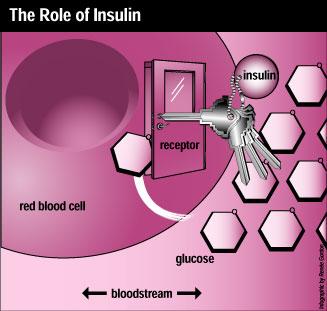
In individuals who have insulin resistance, the beta cells in the pancreas make plenty of insulin – the hormone that moves glucose from the blood into the cells – but the cells are unresponsive to insulin’s actions, leading to a rise in blood sugar. The pancreas responds by churning out more insulin, but it may overshoot the mark, driving blood sugar too low and creating an immediate demand for more glucose. This often manifests as carbohydrate cravings.

Unfortunately, when you heed the call, a vicious cycle is set into motion. More glucose demands more insulin, and over time, your body’s blood sugar-regulating mechanisms cannot keep up and signs of insulin resistance become more prominent.

Part of the problem is that chronically elevated levels of insulin, which are characteristic of insulin resistance, promote weight gain. That’s because insulin is the body’s primary fat-storage hormone – it ushers fat as well as glucose into the cells. So the higher your insulin level, the greater your potential weight gain.

To make matters worse, obesity throws fuel on the fire. Adipose tissue (fat), especially in the abdominal area, releases fatty acids that impair beta-cell function and insulin sensitivity, as well as immune cells that lead to chronic, low-grade inflammation. Inflammation, in turn, increases insulin resistance and risk of diabetes.

The answer to the problem is to interrupt this insidious cycle as early as possible. Start with your diet. Sweets, potatoes, bread, pasta, and most everything made with sugar or refined grains – think white foods – have a high glycemic index and load. This means they rapidly drive up blood glucose but may be followed a couple of hours later by reactive hypoglycemia, a compensatory blood sugar dive that makes you tired, sluggish, and so hungry you feel like you could eat anything in sight.

To avoid this very common phenomenon, eat more fiber-rich vegetables and beans and include some protein with every meal. These foods are not only bulky, filling, and lower in calories, but because they cause a gradual rise in blood sugar, they’ll keep you going longer and are less apt to stimulate food cravings.

There are also some interesting supplements that can help control cravings. One of them is saffron, a bright yellow culinary spice that has been used in traditional medicine to tame inflammation and ease digestive woes. Saffron helps raise levels of serotonin, a neurotransmitter that boosts mood, influences hunger and satiety, and helps put the brakes on food cravings – especially for carbohydrates. This makes saffron a real boon for people trying to lose weight.

Look for saffron supplements in your health food store. You can also purchase my Saffron Snack Stopper by visiting www.drwhitaker.com or by calling 800-722-8008. Aim for the study dosage of 90 mg twice a day with meals. Note: It can take up to four weeks to see results, so be patient.

Another supplement for carb cravings is 5-hydroxytryptophan (5-HTP). A direct precursor to serotonin, 5-HTP boosts levels of this important neurotransmitter and helps curb carb cravings. This supplement is particularly helpful for people with hormonal imbalances and those eating low-calorie diets, particularly low-protein diets, which may not provide enough of the amino acids required for serotonin production. The suggested dose is 50 to 100 mg, taken between meals. Do not take 5-HTP if you are on an SSRI antidepressant.

The most important tool for reversing insulin resistance (and potential diabetes) is weight loss, and reducing cravings is an important step toward that end. So stock up on fiber-rich foods, eat protein at every meal, and try supplemental saffron and 5-HTP, and you just may be able to keep carbohydrate binges at bay.

About Dr. Whitaker. Dr. Whitaker is Director of the Whitaker Wellness Institute and Editor of Health and Healing newsletter that provides important health advice for more than 500,000 people nationwide. Dr. Whitaker graduated from Dartmouth College in 1966 and received his MD in 1970 from Emory University Medical School. He completed his surgical internship at Grady Memorial Hospital in 1971, and continued at the University of California in San Francisco in orthopedic surgery. In 1974, Dr. Whitaker founded the California Orthomolecular Medical Society, along with four other physicians and the Nobel prize-winning scientist Dr. Linus Pauling. Dr. Whitaker is the author of several books including the best-selling Shed 10 Years in 10 Weeks. 

Wednesday, February 29, 2012

Success in Health, Success in Life: Tips from Valerie Orsoni

Valerie Orsoni is from humble beginnings. She was an overweight teen, she overcame cancer and a brain tumor. Her business partner stole her idea when she first started her company. But that did not stop her. Valerie Orsoni is the founder and CEO of www.LeBootcamp.com, the largest online personal health coaching program in the world, with over one million people currently following her advice.

If she can do it, so can you. Here's what she recommends when facing an obstacle:
  1. DON'T KILL THE BUZZ. Your gut and your desire is what will drive you. Do not listen to others who tell you that you cannot achieve your goal. And NEVER explain to them how you will do it or why. Just tell them "Trust me. I will make it happen." By feeling that you need to explain yourself, you are killing the momentum that you have created inside you and it provides the opportunity for self-doubt. You need to have conviction to succeed.
  2. BUY A BLUE WIG. Valerie uses this technique a lot with her clients. Fear is the biggest obstacle for people to reach their goals. If you wear a blue wig out in public for a day, you put it out there that you can do something out of the ordinary and be okay.  People will stare at you, maybe think weird things about you. But you realize "Who Cares!" Let them think what they want. This is also a fantastic tool for anyone suffering from extreme shyness. 
  3. STRETCH YOUR EMOTIONAL FABRIC. Society tells us to live in a box and have regular lives. But regular people do amazing things every  day . So can you. When you have doubts, keep Silly Putty and take it out and stretch it. If something so simple can stretch and grow, so can you. Plus, it's very therapeutic.
  4. VENDETTA TECHNIQUE . This is an amazing tool for any obstacle - job loss, relationship ending or heartbreak, health issue, etc. Valerie is French from Corsica, where the word "Vendetta" was created. It lives in the Corsican blood. Rather than get upset or down by something or someone, the Corsican people take action! They go after the "enemy" and get revenge - by being stronger and better. Valerie can walk you through the specific steps.
  5. BODY TOUCH.  When you are touched, the nerve endings create endorphins, which is the happiness hormone. It replenishes your energy source. Most people only get massages once in a while, as a special treat. Valerie recommends clients get massages often. There are great places that are inexpensive. You can also learn how to self-massage - your temples, your neck. It is not a treat, it is a survival tool.
One of Valerie's favorite sayings is from the cartoon GARFIELD. "These are only bugs on the windshield of my life." If you understand that each thing getting in your way is just a small, insignificant aspect compared to your big, ultimate goal, it will put things into proper perspective so you can get there.   

VALERIE ORSONI is an international health expert. As an overweight teen, she tried over 40 diets that all failed. This propelled her into the health industry, to find what works. After surviving a brain tumor that doctors said was terminal, Valerie decided to make it her goal to help others overcome their health obstacles. She launched an online coaching program, www.Lebootcamp.com, which quickly became the leading online personalized coaching program in the world. She currently has over one million members. During this time, she also overcame cancer. Valerie knows the meaning of the word "Survivor." She is a Best-selling author, Celebrity coach, Nutritionist and Mom. She lives in San Francisco with her husband and son. For more information, go to www.Lebootcamp.com

Monday, July 5, 2010

Curb Those Cravings (CTC) Interview With Celebrity Trainer Kathy Kaehler

CTC: I have read that your fitness and health philosophy builds awareness of “how simple daily choices about nutrition and fitness” promote a healthier and more productive lifestyle. Can you give a couple of examples of these choices and how this works?

Kathy Kaehler: Making good choices 90 percent of the time allows you to have fun and not feel guilty during the 10 percent of your time that you’re “just living life.”  Also, make exercise a priority that you can't let the sun go down without your exercise done. 

CTC: Your approach focuses on workable fitness solutions for today’s busy world. Can you give examples of this --- how do you help people find the time.
Kathy Kaehler: Knowing that you can have exercise in small increments and understand that those increments add up at the end of the day gives you more motivation to get up and take the stairs, do manual labor for the benefit of exercise, multi task home/work chores with physical activity. Dancing to your favorite song, playing tag with your children, washing windows, jumping rope or rearranging your furniture are fun ways to get in some exercise.
 
CTC: You’ve worked with a lot of celebrities, including celebrities who train (like Jane Fonda) and trainers who are fitness celebrities (like Jack La Lanne). What’s the best piece of advice you’ve gotten from Jane Fonda or Jack LaLanne?

Kathy Kaehler: With Jane and Jack it was seeing first hand that age plays no role in fitness that you can start and continue with your fitness quests at any age. Their roles as fitness icons are what I rely on for motivation personally but also for those out there who remain skeptical.

CTC: What are the differences between training celebs and non-celebs? Can we (most of whom are not celebrities) learn something from this?
Kathy Kaehler: To be honest, there is no difference between training a celebrity versus a non-celebrity. Celebrities want the same things from fitness as anyone else. We all want to get in shape for weddings, reunions, birthdays, anniversaries, holidays, and seasons. For celebrities they can add on movie roles but some non-celebs might have to be shape for their jobs. What people need to learn from this is that comparing yourself to a celebrity will not get you anywhere. It is time to learn that you must focus on yourself and be the best that you can be. 

CTC: Many people, especially women, suffer from carb cravings. What tips can you offer Curb Those Cravings! readers to help cope with, work with or combat those cravings?
Kathy Kaehler: It’s really important to find something that will satisfy your cravings. Cravings are natural and if you put them off and try to ignore them they will come back with a vengeance. Look for a treat or snack that is lower in calories and will give you the satisfaction you are looking for without blowing it. Smooth and Dreamy from Breyers is what I choose and I have a huge chocolate tooth. With the bars and sandwiches at 120-160 calories, I can have one, love it and then move on.

CTC: What is your Sunday Set-Up? sunday set-up capture
Kathy Kaehler: Sunday Set-Up is a simple food routine that is about stocking up on all your good food in the beginning of the week and prepping it so that you will have all your healthy staples to grab for snacks and meals all week long. Some great photos and examples from my shopping list is at www.kathykaehler.net under Sunday Set-Up.

mini workout capture CTC: Can you tell me about your Mini Workouts? Kathy Kaehler: I am constantly doing workouts featuring myself, my kids, celebrities and others. These workouts might be 1-30 minutes long, shot in numerous locations and focus on strength, cardio and stretch. They are free and easy to follow.  

CTC: One problem I have myself is motivation in sticking to a program. Can you offer some advice as to real-world motivation other than just fitting into that swimsuit or that pair of pants?
Kathy Kaehler: Your health should be the best motivation. Heart disease, diabetes, stroke, blood pressure are all risks that can be reduced with exercise. 

CTC: You live by your 90/10 rule, which encourages individuals to watch what they eat 90 percent of the time and indulge here and there during the other 10 percent. Is this do-able or too hard? What are ways people can indulge in that 10 percent which you recommend?
Kathy Kaehler: This is the easiest way to eat and live, as you can manage it easily. My 10% is satisfied with dark chocolate and sandwiches and red wine!

CTC: Any general suggestions especially for young girls (since teenage girls --- I have a teenage daughter myself --- are more prone to eating and body-image disorders than are boys) in terms of eating, exercise and body issues?
Kathy Kaehler: The time is NOW to get the routines and habits established. Eat well balanced foods, limit sugar and salt. Also, take part in physical activity on a daily basis. Find something you love to do and do it, as you will be so thankful you did.

About Kathy
A “Today Show" fitness expert, Kathy Kaehler is the author of the books Fit and Sexy for Life, Kathy Kaehler Celebrity Fitness and Real World Fitness with Kathy Kaehler. Her workout videos include “Kathy Kaehler Basics: Total Fitness Workout” and “Kathy Kaehler Basics: Workout Class.” Clients include celebrities such as Julia Roberts, Drew Barrymore, Cindy Crawford and Samuel L. Jackson. Kathy’s website is: www.kathykaehlerfitness.com

Sunday, February 7, 2010

In the land of (real) women

By James J. Gormley

Spring Break is fast approaching and many young women (not to mention, lots of men) are alternately looking at the calendar and peeking at the mirror, worried that they will not be able to fit into that swimsuit that’s two sizes too small that was bought as an “incentive” after New Year’s Eve.

Bikini Anxiety 101
What’s with all of this bikini anxiety? As I pointed out in 1999, in an article called “Giving Barbie the ‘Boot’ ”: (1) real women have different body types than do most fashion models, who are often emaciated and (2) typical diets don’t work. In addition,  the Barbie body-myth acculturation is now beginning in very young girls who should, arguably, be excited about many things -- such as science, math, sports, and jump-rope -- but not about losing weight!

ibd Rachel Caplin, author of I’m Beautiful, Dammit! Waging Your Own Curvolution and co-founder of Curvolution, a Calif.-based entertainment company that’s working to put real women, of all sizes, into the media, said in a 2006 interview with the Pittsburgh Tribune-Review: “The fact that it’s bathing suit season doesn’t mean that this is the moment in time where you have to be what the season is telling you to be.”

Our society’s bathing suit obsession becomes even clearer when we look at a few stats on women, girls, and weight extracted from the book, The 7 Secrets of Slim People, by Vikki Hansen, M.S.W., and Shawn Goodman.

I learned from authors Hansen and Goodman that “young girls are more afraid of becoming fat than they are of nuclear war, cancer, and losing their parents,” then it makes me more determined than ever to try to encourage my (trim) teenaged daughter to enjoy her summer and not get sucked into the dysfunctional body-type vortex that surrounds us.

stairmaster4000 Fitness Anxiety too?
Adding to bikini anxiety is its kissing cousin, fitness anxiety: Are we buff enough? Although we can sometimes feel stress as we unfairly judge ourselves by looking at the aerobics instructor next to us on the StairMaster®, we might not be aware that many everyday activities --- including shopping at the mall! --- really help us to be more fit and burn more calories each day.

For example, did you know that 25 minutes of brisk walking at the mall (the best way to avoid buying too much!) or 30 minutes of washing windows burn the same amount of calories as 20 minutes of medium aerobics or 20 minutes of tennis? Better yet: did you know that 30 minutes of mowing the lawn (although be careful in the heat) or 45 minutes of washing dishes offer the same calorie-burning as the aerobics? All true.  That’s what I call putting things in perspective.

So what if it gives us another excuse to go to the mall!

Wednesday, December 2, 2009

Discomfort Food: How to Calm Carb Cravings

By Jennifer Sygo
Edmonton Journal


If you woke up this morning to another grey, blustery pre-winter day and thought to yourself, "Why get out of bed?" then you’re not alone. While the bright lights of the holidays can bring cheer, at least for a while, the bleak days of January are not far off, and with them comes the desire to hibernate until the days are longer and spring flowers have broken through the frozen ground.

With the winter blahs also comes the desire for comfort foods, rich in carbs and fat, which can seemingly pick us up when we’re in the doldrums. The pile of mashed potatoes that seemed only mildly appealing in the heat of July suddenly feels like just the ticket on a day when it’s dark by mid-afternoon. Are we just weak, or is there something more to it?

More

Monday, December 1, 2008

Do Sugar Cravings Have You by the Neck?

by Marcelle Pick, OB/GYN NP

It’s that time of year again when it seems like sugar is everywhere. For some of us the push-and-pull of holiday sweets starts at Halloween and lasts all the way through until New Year’s Day — and it can feel like a wild rollercoaster ride. My patients often tell me they can’t wait to get off, but many aren’t quite sure how. Most women I talk with at the clinic and in my personal life have experienced sugar cravings, no matter what time of year — or time of the month. Whether it’s having a taste for something sweet after dinner each night or speeding to your local supermarket for the biggest bag of Swedish Fish you can buy, I know craving sugar can be a powerful urge. And the disappointing truth is that once we start to include sugar into our daily routine, it becomes more and more difficult to stop.

As humans we’ve evolved to appreciate the instant energy sugar provides us, but food is a highly emotional topic, especially when it comes to sweets. We often associate sweet foods with love and acceptance, and scientists have looked at our brain chemistry to understand how food can directly affect our “feel-good” neurotransmitters like serotonin. There are many other physical causes for sugar cravings, too, like hormonal fluctuations, intestinal yeast, and stress, to name a few.

Sadly, we’ve been told for far too long that indulging in sweets is connected with a lack of self-will or some other character flaw. This is just not true! Craving sugar is not simply about willpower, nor is it simply about emotions. There may be several underlying physiologic causes feeding your desire for sugar, and it may take some perspective and investigation to get to the bottom of it. Let’s take a closer look at what might be behind your sugar cravings and how you can develop a healthy, loving relationship with sweets.
More

Wednesday, November 26, 2008

Cravings, stress and exercise


by Dr. William Dunn

Many good and useful tips are known to help stave off cravings. We know what they are, and what they can do for us. You don’t need a doctor to tell you that cravings can make you end up eating the wrong things.

Typically, for overweight people, the cravings of concern aren’t those that make us hungrier for nutrient or fiber-rich foods. It’s the cravings for high-calorie-dense foods that seem to tear down every effort we make to keep the pounds off. It seems every time we start a diet, no matter what it is, we feel even hungrier for those high calorie foods.

Although conventional strategies to overcome cravings definitely help, unfortunately, for the majority of dieters, they eventually fail.

We hear it again and again: eat a big breakfast, avoid snacks, eat smart, exercise ... easier said than done! It makes so much sense, so why is it so hard?

Let’s look at each one:
  1. Eat a big breakfast? The alarm goes off. ”Just 10 more minutes”, you think, and you hit the snooze button. Your 10 minutes are gone in what feels like 10 seconds. You force yourself out of bed, you get your kids up, make their lunches, shower, dress, rush through traffic, arrive barely on time, and that leaves you time enough for coffee and a donut. Sometimes you’re not hungry at all. “Big breakfast? Shall I have my maid prepare that for me?”, is probably your first impression.
  2. Avoid Snacks? What is a snack? Are “good foods” a meal and bad foods snacks? If you eat an apple at 2:00 pm, is that a snack? If you have potato chips with your sandwich at noon, that’s considered lunch. If you skip lunch and eat potato chips at 2:00, is that lunch? For those desperate to lose weight, all meals and snacks become potential sources of guilt. We try to skip “snacks” and pay for it by eating bigger meals. We try to have lighter lunches, and feel tremendous cravings about 3 o’clock to have a “snack.” In short, snacks are what we perceive as extra food between traditional meals, but, especially after breakfast, at the end of the day your calorie intake is all that matters.When we were children, snacks may have been less important to us. It seemed recess or play activities were more important than food, and our parents even worried if we didn’t finish our plates. But as we get older, stress and work replace play. In a very recent publication, Maastricht University confirmed what we probably guessed: stress can make us eat even when we’re not hungry! Cravings only intensify this hunger-less baseline urge to eat.
  3. Eat Smart? “I’m smart, I already know I have to eat fiber and vegetables and everything that tastes bad.” We know what’s good for us. If only we could crave carrots and spinach! But when we’re faced with stress, we don’t want extra work, extra sacrifices. “I have so much to do — carrots and broccoli in plastic bags are my reward? Are you kidding?”
  4. Exercise? Nobody has to tell you that exercise isn’t comfortable and fun. Some who tend to be “showoffs” in their size zero dresses will tell you how thoroughly they enjoy aerobics. It’s true, stress levels decrease with exercise, which in turn leads to less baseline desire to eat. But for you, it’s squash and broccoli all over again. You know it’s good for you. But with stress, at the end of the day, with screaming kids, flashes of your angry boss
    crossing your mind, co-workers who drive you crazy, dinner to prepare, phone calls from telemarketers, bills … and a warm cozy bed and television just a few steps away, is exercise something you perceive to be the logical thing? Of course not!
    Self-inflicted pain for your reward? You’re smarter than you think.
Cravings are natural
They alert our system of certain needs, especially in energy deficiency. However, cravings increase in proportion to our weight and degree of insulin resistance to the degree of imbalance. There are several tricks to reduce them to a manageable level. But you’re fighting the war on two fronts, with stress on one side, cravings on the other. Not only does stress increase your involuntary food intake,it also makes it difficult to apply the several tips we can use to curb our cravings.

Managing stress is a whole topic in itself. If you can manage stress, then cravings will be much easier to handle. However, for most, that’s a lifelong challenge. That leaves us with only one choice: to push out of our mind that food is there to comfort our stresses. Again, easier said than done.

Recognizing stress as an important problem, and knowing how difficult and sometimes impossible it is to keep it out of our lives, now you can place the tricks you’ve heard in perspective.

They aren’t just cute tips. They’re your lifesavers. You have more control of this than the often random factors that lead to stress, so play it smart. You have a lot more choices than you think with all the tips available to you. But recognizing how important it is, you will dedicate the extra time you need to tend to your day’s food. You’ll make it a habit to pack your snacks. That way, you are in control, you are the master. But it takes a little work.

For example, you don’t have to eat raw broccoli for your snack. For those moments you really must have a quick stress break, tell yourself: “I promise, on Wednesday, I’ll have that brownie, but for now, I’ll have peanuts and seltzer.” Again, you have endless possibilities. But why peanuts for example? Because they have a very low glycemic index (GI). That means your insulin isn’t going to spike, leading to hunger right afterwards. A prepackaged ounce of peanuts should do the trick — but don’t open four or five. Plan ahead and only take one to work. Don’t eat it for lunch! This is your snack! Take one for lunch if you will, but it’s important you save something for stack time.

What about breakfast?
If breakfast has never been a part of your life, give it a week or two. Wake up a little earlier. Eat with your kids for a change. Start slowly. Keep adding a little more. There are so many studies showing the benefit of a big breakfast — this is the time you don’t have to feel guilty about eating a lot (just don’t go to breakfast buffets daily.) Eat your fill. Try to get protein and fiber in there one way or another — strawberries and yogurt is a good choice.

If 7:00 am breakfast still isn’t you, don’t substitute it for a 10:00 bagel. It’s all for nothing. You’ll eat and feel hungry again anyway for lunch. If that’s your habit, change the bagel again for a prepackaged low GI snack like almonds. Make the extra time to reward yourself with mozzarella cheese and fruit slices. It’s worth it.

What about eating smart?
“Do I have to eat tree bark and hay for lunch?” The answer is no. You can eat your fill. The trick is to know the good tasting foods that will dot this, and at the same time cut the cravings to a manageable level until dinner. There are two concepts to be aware of for lunch:
  1. Make your entire meal a low GI meal. Does that mean eating whole-grain bread alone? No way. But know this: meat has no GI, neither does fat. That means getting them in the right balance. If you’re a vegetarian, there are high-protein foods, especially legumes, eggs and even bread. But mixing these foods will bring the average GI of any carbs you eat down. Also, bumping up the protein component will curb your afternoon craving. So slow down on the dinner rolls and desserts — both high GI sources. There many choices for low GI starches — e.g. whole wheat bread or pastas. There are even low GI desserts. But don’t look for them in restaurants. Again, you’ll have to make time for them by preparing them (e.g. example, banana bread made with whole wheat flour and a natural sugar substitute or apple sauce).
  2. Want more for less? A lower energy density in your foods will increase the amount you can eat with fewer calories. A full stomach takes longer to digest, meaning better chances for you to make it to dinner without major cravings. One significant way to do this is to decrease the fat component of your lunch. Typical sources of high fat include sauces and toppings like mayon-naise. There are low-calorie alternatives readily available. Don’t kill your efforts to eat a healthy salad only to top it with oily or fatty toppings. Look for low-cal dressings instead.
What about exercise?
Yes, some have made it to the age of 100 without it. Probably they weren’t running marathons though. Chances are, especially in the days of walking to the corner grocery store or to church, it was easier to meet the minimum equivalent of 30 minutes of walking a day. If you walk on the job, you’re there already. If you don’t, you’ll have to squeeze it in one way or the other. That means parking a little further from every place you go to. Think of the fewer dents your car will have. In my neighborhood, in warmer months everyone is walking about a half hour nightly — it’s a new trend.

But what about exercise in winter? It’ll get old to walk the mall every day. So start by estimating how many minutes you are walking at work. Subtract from 30. Let’s say that leaves 20. That means two 10-minute walks. If you really are snowed in, you can briskly walk in place
while you watch TV for 10 minutes in the morning and 10 minutes in the evening. Add hand weights for better tone. (If your joints or muscles hurt, talk to your doctor before starting any exercise routine.) You may think that exercise would make you hungrier. Of course, long, vigorous exercising will in fact make you hungry to replace some of energy you burned. But it’s not likely you’ll be hungrier from the nice short walks we’re talking about.

In fact, researchers found that brisk walking curbs chocolate cravings, as well as cigarette cravings. Another group of scientists demonstrated that exercise improves short term appetite control as well.

Finally, it’s old news that exercise helps our stress levels too, which in turn will help you to follow your snack and meal routines more easily. In short, there’s no magic way to curb your appetite. It’s going to take work and some experimenting. Accept that stress is part of the problem that may never go away completely, but that you can do your part with some planning and choices to eat the best foods. Give it the time it deserves — your health is so important—you’ll keep not only the pounds away, but cancer, diabetes and heart disease as well.

Dr. William Dunn is a cancer doctor dedicated to disease prevention through weight loss. He can be contacted through his website, www.lightenforlife.com.

Wednesday, October 29, 2008

Food Cravings: Tips and Strategies for Success!

By Sally Byrd, N.D.

Food cravings are a sign of an unhealthy, unbalanced body. Many times they are a symptom of chemical addiction from our diet, mental stresses, our environment, and hectic lifestyle. Liking or wanting a certain food compared to ‘craving a food’ is entirely different. When your body is not receiving the nutrients it needs to operate well, it will increase your desire for more food until your body gets the nutrients it needs to function.

Depending on your willpower, what you have in your pantry or if you are eating out, the choices for healthy foods are limited so junk foods usually win. This is why so many American are overweight, nutrient depleted, emotionally challenged stressed out and why they have difficulty managing their eating behavior.

Many nutritional deficiencies for essential fatty acids, minerals, amino acids and chlorophyll will cause constant craving for unhealthy foods especially carbohydrates-all types of sugar, potatoes, breads, pastas, pizzas and the traditional comfort food of our society.

The popular higher protein, lower carbohydrate diets will work to some extent but adding the extra nutrients are essential for long term dietary effectiveness and positive lifestyle changes.

Keys to Curbing Carb Addictions:

1. Get on your Blood type diet at least 75%. Change at least 5 of the most damaging foods for each type.
2. Go to http://www.dadamo.comand scroll down to food values. Check the foods that you eat daily (pick 5: protein & carbs are more important in the first phases) and if they are on the avoid list – stop eating them –get up to at least 5 foods that you will avoid. Get in a habit of this first phase food elimination for 3-4 weeks and check the list again and start on 5 more foods that you frequently eat. Most people can handle this and it is as overwhelming as a complete ‘cold turkey’ change. There are so many healthy substitutions that even frequent travelers have options.
3. Keep your fluid level high. Drink healthy teas: green, white tea, rooibus, mint, chamomile, ginger, dandelion root, rose hips, & licorice root teas. Spring water w/lemon or lime essence, some juices –beneficial to your blood type (dilute them) to equal 1/2 your weight in oz. (i.e.: a 150 lb. person should consume 75 oz of healthy fluids).
4. Ditch the java, energy drinks (like red bull) ALL SODA …..Coffee, guarana sodas increase insulin levels in the body which will increase carb cravings. They also create an acidic environment in all the wrong places. This leads to disease and unhealthy food choices and could lead to serious diseases like diabetes and arthritis
5. Get a urine or blood test to see what minerals or amino deficiencies you may have. Also check for heavy metal toxicity.
6. Add the nutrients that you may be lacking in supplement from and check your food list for compatible foods that are rich in these nutrients. Many people will find that they are low in Taurine, L-Glutamine, Chromium and Chlorophyll.
7. For low energy & mid-afternoon cravings; try a Green super food drink or bar (Greens+ ) with 1,000-2,000 of L-Glutamine and other key nutrients like a sugar balance type supplement to stay alert and focused for the rest of the day . Most women are so deficient that a common magnesium supplement & amino acids will subdue most cravings.
8. Start taking essential fatty acids like Evening Primrose, Sesame, Pumpkin Seed, Flax or Borage seed oils to repair the cellular wall and reduce the constant hunger that many people experience. I find Evening Primrose oil in the dose of 2-3 grams daily can impact most women in a positive way – cravings, skin, hormones and weight control.
9. Get a series of colonics. This speeds up the cleansing process and starts internal tissue repair. Add Glyine -1,000 mg to your nutrient regime.
10. Keep Moving: we all know about exercising. If this is a challenge, find something that you like to do. It does not have to be in a gym or fitness center. Dancing, gardening, walking, yard work even house work helps your bodies’ immune system stronger. For weight loss you may have put in more time but do something for at least 30 minutes every day!
11. Use an infra-red sauna and sweat out poisons, to regain cellular strength.
12. Depending on your budget try a form of bodywork like reflexology, massage, chiropractic or acupuncture to further strengthen the way your system functions.
13. Eliminate any silver fillings that contain mercury. These will reduce you immune support and cause an unbalanced system.
14. Write out a goal list and stick to it: use a before picture on your mirror, appointment book or refrigerator.
15. Pray or mediate for emotional strength.

Key nutrients to consider are:
1. Green Superfoods: Greens+, Perfect Food, Green Vibrance, Amazing Grass, Chlorella, Spirulina, Wheat grass
2. Amino Acids: Glycine, L-Glutamine, Taurine , Combo of all 22
3. Minerals: Magnesium, potassium, chromium, selenium
4. B-Complex with extra Folic Acid & B-12 (methyl form)
5. Water Enhancers: Cell Food, Trace Mineral drops, Willard Water
6. Anti-Aging3 Collagen (reduces sweet cravings)
7. Sugar Balance (Dr Ven has one but there are others too)
8. Egg White Protein: Jay Robb, Major Egg, Amerifit
9. Healthy fats: Evening Primrose, Borage, Black Currant, Sesame, Flax, Chia, Salba, Pumpkin Seed Oil and marine source DHA.
10. Cleansing: Renew Life, Zand herbals, Dr. Venessa Liverclean, Jarrow Artichoke & Curcumin
11. Healthy raw Salt: Himalayan, Celtic, Real salt, Lima Salt

For more information, please visit www.whatsallysays.com.

Tuesday, October 28, 2008

7 Simple Strategies to Kill Carb Cravings

By Dr. Leslie Van Romer


1. Satisfy Your Hunger Drive 
A cultural myth that many people believe is that you must control your hunger drive to lose and maintain ideal weight. Delete that myth from your brain! Your hunger drive cannot be controlled. It is a natural instinct, and like all human instincts, it keeps you alive.

When you’re thirsty, you drink. When you’re sleepy, you sleep. When you’re hungry, guess what? You should eat. Simply fill up on the right foods that satisfy your hunger drive.

Cravings, triggered by hunger, can be crushed, if you stop waging war with your hunger drive and start satisfying it by filling up on the best-for-you foods.

2. Fill Up on Good-Guy Carbs
For all the carbohydrate confusion, there is one glaring fact. All carbs are not created equal. The good-guy carbohydrates, sourced by whole, fresh fruits, vegetables, unrefined grains (brown rice, not breads) and legumes, satisfy your hunger drive, thereby calming cravings. When a bad carb craving hits, fill up on nature’s best-for-you foods first and the craving will fade.

Hint: For cravings to disappear, you must eat enough of the best-for-you foods to really and truly fill you up.

3. Ditch Bad-Boy Carbs
Bad boy carbs incite cravings so steer clear of them. The more refined sugar, desserts, baked goods, breads, salty snacks, and chocolate you eat, the more hooked you get. If they are out of sight, they are much easier to avoid.

The natural sugars and sodium in fruits, vegetables, unrefined grains, and legumes, are your biggest allies to successfully fight and conquer carbohydrate cravings. When cravings call, be sure to first load up on these foods, especially whole fruits and vegetables, to render those sabotaging urges powerless.

4. Graze on Fruit for Breakfast
Fresh fruit expedites your freedom from cravings. The challenge is eating enough fruit when traditional food faves demand attention. Rather than feasting on the typical bad-boy carbs which trigger cravings (dry cereal from a box, quick oats, brown-colored white toast, pancakes, pastries), fat-laden bacon and eggs, or just a cup of coffee, why not fill your morning with nature’s best craving crushers – fresh fruits?

Pay attention to your hunger drive and eat enough whole fruits, approximately four to ten, to fill you up and satisfy you. Grazing on whole, fresh fruits until noon helps shut the gate before the cravings get out, gain momentum and sneak attack later in the day. Try it. See how many whole fresh fruits fill you up and behold your incredible shrinking cravings!

5. Keep Healthy Snacks Handy
Whether at home, work, or on the go, think ahead and keep healthy snacks with you at all times – cut-up veggies, fruit, and raw, unsalted nuts and seeds. That way, when cravings start, your fortifications will stop them dead in their tracks.

6. Stop the Diet-go-Round – Forever
Sure diets work, for a while – until they don’t. But they are excellent at one thing – adding red-hot fuel to your cravings.

First, diets deprive you of your food faves - until you can’t stand it, give in, and sneak them back into your life. Second, diets restrict calories and portions, leaving you hungry, making you crave more, and building that food frenzy to a height that consumes your thoughts and your life until … you give in. Third, diets often limit the major nutrient, carbohydrates. With a shortage of good-guy carbs, cravings take control and you grab the first bad-guy carb in sight. The result: you feel like a hopeless failure one more time.

7. Add and Wiggle!
Okay. Let’s face it right now. You’re not perfect. You will never be perfect. Nor do you have to be perfect to finally be free from food cravings. So give yourself some wiggle room. Instead of proclaiming that you’re never ever going to be seduced by one of your food friends again, try a new strategy.

Think addition, not subtraction. In other words, instead of trapping yourself in a restrictive food-box of “can’t haves,” think about which foods you “get to” add to your day that will give you the most nutrition for your calorie buck. These are the very same foods – fruits, vegetables, whole grains, and legumes – that will stop those cravings.

Then, follow the 80/20 Rule. Eighty percent of the time when meals and snacks are routine without holidays, birthdays or get-togethers, add and fill up first on those best-for-you foods. The other twenty percent of the time, don’t worry about it and wiggle! Just beware you don’t wiggle too much.

No matter how diligent you are at incorporating these strategies in your daily life, if you are a mere mortal, there will be times when things go awry. No worries, with persistent mindfulness, time, and patience, you can free yourself from cravings and build your body-dream-come-true.

With years of experience, and a thriving private prac-tice, Dr. Leslie Van Romer helps her clients with the prevention of diabetes, breast cancer, heart disease, osteoporosis, fatigue and premature aging through healthy and conscious lifestyle and diet choices. Her new book, Getting Into Your Pants, empowers readers to lose weight and boost self-esteem, energy and health with do-able food and life-style choices. For more information, visit www.gettingintoyourpants.com or call 1-888-375-3754.

Wednesday, October 22, 2008

Healing Compulsions

By Mary O’Malley, author of The Gift of Our Compulsions

 
My life is a testimony to what can happen when you change your relationship to your compulsions.

At one time I gained 97 pounds in a year. At the same time I was drinking and using drugs! And I tried every diet, therapy and medical plan that promised to get rid of these so called obnoxious behaviors.

I thought none of this worked because I wasn’t committed enough. I also thought that everybody could do it but me. So I would try even harder only to spiral down into self-hate, confusion, and despair. In the depths of my despair, I finally had to admit that controlling my compulsions didn’t bring me the peace I so desperately longed for.

And thankfully so, for as I learned how to cultivate a new type of relationship with them I not only healed my compulsions; I also experienced the deep and lasting healing I was longing for.

It is important to realize that there was a time when you absolutely loved being you!

When you were an infant you were wide open to life, at home inside of yourself, comfortable in your own skin. You may have no mental memories of this time, but your body does. It remembers when there was no part of you that wasn’t okay. You hadn’t yet bought into the belief that you needed to be any different than what you are.

Then slowly, as you experienced moments when life scared you, overwhelmed you and disappointed you, you learned how to pull back, tightening your body, holding in your breath and containing your feelings. You began to live an inner conversation that said you needed to be better or different in order to be okay.

Rather than accepting yourself as you were, you began to hide all of the unacceptable parts of yourself deep inside, hoping they would go away and leave you alone.

But the feelings that we are afraid of don’t just dissolve when we ignore them. In fact, they influence our lives from underneath our everyday awareness.

For all of us, there came a time in our lives when holding in our life energy and distracting ourselves wasn’t enough to keep these feelings at bay, so we learned how to take care of ourselves through some form of compulsion.

By compulsion I mean any recurring activity we use to manage our feelings and around which we have little or no control. We can get compulsive about almost anything – overspending, overeating, overworking, overplanning, overworrying, overexercising, overdrinking, overcomputerizing, etc. Many people are compulsive without even knowing it.

It isn’t until the computer crashes or the credit card is canceled or the doctor says you can’t eat a high-fat diet that it becomes clear just how much a particular activity controls your life. To make matters worse, our whole story around compulsions is that they must be gotten rid of. So we try to control these urges, only to have them control us and this is where many of us are caught.

The old style of working with compulsions is to try manage them, but managing keeps us on the surface of our experience. If we aren’t aware of what is going on inside of ourselves whenever we are compulsive, we will live in reaction.

Reaction creates contractions in our minds, bodies and hearts, and these contractions, if left unattended, fuel our compulsions because it is what we choose not to observe in our lives that controls us.

There is strong evidence that managing compulsions doesn’t work. Take overeating for example. It has been widely reported that 95-98% of every pound that is lost in the United States is gained back, plus some, within a year and a half.

The tricky thing is that management does appear to work initially, but eventually it gives diminishing returns for compulsions don’t heal the feelings that are fueling them. They just numb us out. And even though they promise us that they will take away our pain, they actually do the opposite, leaving us caught in a seemingly endless cycle of trying to control our compulsions only to find ourselves being controlled by them. And if we do manage to control one compulsion, another one usually pops up to take its place.

Rather than managing our compulsions, a more effective way is to engage with them. The two qualities that make up the art of engagement are curiosity and compassion.

Curiosity is an alert acceptance coupled with a passionate interest about whatever is happening right now. Moments of pure curiosity are powerful beyond our wildest imagining.

The second quality of engagement is compassion. The power of compassion is that it dissolves problems rather than trying to solve them. This dissolving comes from compassion’s ability to meet ourselves as we are. Compassion understands that no amount of becoming ‘better’ will ever bring us the healing we long for.

All lasting healing happens when we can be compassionately present for whatever we are experiencing in this moment, for the quickest way to the healing that we long for is to stop striving for results and start meeting things as they are.

I call the ability to be present for our experience ‘treasure hunting,’ for hidden in everything we have turned away from inside of ourselves is a treasure that contains the lasting healing we long for.

Whenever we are compulsive, instead of turning away, this is the perfect time to turn toward our experience. The more we bring our compassionate attention to our compulsion, the more we can unravel the ball of struggle that made compulsion enticing in the first place. As we do so, we literally transform the feelings we hid inside of ourselves that are fueling our compulsions. When we meet whatever is there with curiosity and compassion, our old patterns and feelings finally lose their power over us.

Management gives us short-term results; engagement brings us the lasting healing we long for. Management keeps us caught in a cycle of controlling, only to be controlled. Engagement brings us to a place where we trust ourselves again, knowing we are okay, life is okay and everything will be okay.

As you become interested in engagement, know that patience is an important ingredient on the journey. It took a long time to weave the web of compulsion. It will take a while to unravel it, but the invitation is to begin right now.

For just this moment, let go of any judgment you have for being compulsive and instead, respect yourself for taking on the great teacher of compulsion. And know that as you learn how to listen to your compulsions, they will become your guide back into a life of true satisfaction and fulfillment.
http://www.maryomalley.com/

Tuesday, October 7, 2008

What to do when you can't lose the weight

By Jacob Teitelbaum, M.D.

Some of you are finding that despite proper eating and exercise you simply cannot lose the extra weight. Our research has shown that there are a number of things contributing to this and that when you treat them the weight will often begin to disappear.

This is discussed at length in my book From Fatigued to Fantastic!, which teaches people how to recover from chronic fatigue syndrome and fibromyalgia, and goes into detail about how to effectively treat the problems discussed below. In these illnesses, which are characterized by fatigue, insomnia, "brain fog" and often widespread pain there is an average 32 lb. weight gain.

The good news is that our research shows that effective treatment is available for 91% of these patients and a fringe benefit is that not just do they feel great but they also lose their excess weight.

These are the most common ones:

1. Hypothyroidism. Over 26 million Americans suffer with hypothyroidism, and less than one third of them are being properly diagnosed or treated! This is the case despite most of them having what their doctors mistakenly consider to be normal blood tests. As long as your thyroid function is inadequate, it will be nearly impossible for you to keep your weight down.

One patient that I treated had lost 50 lbs. by her 4 month follow-up visit, in addition to having no pain and having great energy. She was understandably thrilled. Many of the factors contributing to weight gain in these syndromes also affect the rest of us.

The symptoms of hypothyroidism are fatigue, weight gain, cold intolerance with low body temperature (under 98.6 degrees Fahrenheit), achiness and poor mental function. You don't have to have all of these. Having even a few of these symptoms is enough to justify a therapeutic trial of thyroid hormone. It should be adjusted to the dose that FEELS best while keeping the free T4 blood test in the normal range.

2. Nutritional deficiencies. When you are deficient in vitamins or minerals your body will crave more food than you need and your metabolism will be sluggish. To keep it simple and avoid the need to take tablets all day, I recommend that you use a high-quality, premium multi-vitamin/multi-mineral with energizing nutrients.

3. Poor sleep. The expression "getting your beauty sleep" actually has a basis in fact. Deep sleep is a major trigger for growth hormone production. Growth hormone stimulates production of muscle (which burns fat) and improves insulin sensitivity (which decreases the tendency to make fat). 100 years ago, the average American got 9 hours of sleep a night. Because it raises growth hormone, getting the 8-9 hours of sleep a night that the human body is meant to have can powerfully contribute to your staying young and trim! If you have insomnia, eating some turkey before bedtime can help as it contains high levels of tryptophan. Herbals can also help.

4. Yeast overgrowth.
Clinical experience has shown that fungal overgrowth (also known as Candida albicans) contributes powerfully to both sugar cravings and weight gain. Although we do not know the mechanism for this, we have repeatedly seen excess weight drops off once this overgrowth is treated and eliminated. The main causes of fungal overgrowth are excess sugar intake and antibiotic use. Common problems caused by yeast overgrowth include chronic sinusitis and/or spastic colon (gas, bloating, diarrhea, and/or constipation). If you have either of these, you probably have fungal overgrowth. The good news is that treating this will not just help you to lose weight but can also eliminate your spastic colon and sinusitis! My book or the treatment protocol on my web site (see www.endfatigue.com) will teach you how to effectively treat this.

5. Carnitine deficiency, which is present in most people with chronic fatigue syndrome (CFS) or fibromyalgia syndrome (FMS), is another major problem. Unfortunately, this deficiency forces your body to turn calories into fat and makes it almost impossible to lose fat. Simply taking carnitine does not help adequately however, as it does not get into cells optimally. I recommend that people take acetyl-L-carnitine 1000 mg daily (which does get into the cells more effectively) for four months, as this can help both energy and weight loss.

6. Adrenal stress support. Start by making an attitude change. Whenever you notice that you're getting anxious or worried ask yourself the simple question "Am I in imminent danger?" The answer is almost always no, and you'll find that your adrenal glands relax as you realize this. If you have problems with relaxing or letting go of worry, my book, Three Steps to Happiness: Healing through Joy, can help you get from where you are to a life that you love! If you are experiencing hypoglycemic episodes, consider taking an adrenal glandular that includes DGL licorice.

To summarize, several factors contribute to persistent weight gain. These include inadequate thyroid function, poor sleep, nutritional deficiencies and yeast overgrowth. Treating these problems can result in marked weight loss.

It is no longer necessary to be on extreme, unsustainable or unhealthy diets to lose weight and keep it off. The recommendations above will not just help you stay trim, but they will leave you healthy and full of vitality as well!

Thursday, September 18, 2008

Neil Levin on the Glycemic Index and the Glycemic Response

What is the level of consumer understanding of glycemic index and the glycemic response?
The Atkins and other low carb diets have certainly improved the awareness of the glycemic index, as have low-carb sports products, including bars. The awareness is probably fairly superficial, though, amounting mostly to alternative sweeteners and a general avoidance of grain products. And a lot of manufacturers used unapproved label claims, such as net carbs, that were not really well defined and probably confused a lot of people. I believe that the low carb category has quite properly morphed into the low glycemic category, something that Dr. Atkins foresaw and wrote about before his death and wrote about.


Who is the target consumer for low-GI foods: diabetics, dieters, health conscious?
While diabetics are the classic market for low glycemic products, and rightly so, the market has some other notable segments. Dieters, of course. People under a lot of stress where excess levels of the adrenal hormone cortisol is a problem, contributing to insulin resistance, which is a situation where cells become resistant to insulin, leaving the insulin and sugar in the bloodstream and resulting in low energy and high levels of blood sugar. This is potentially a pre-diabetic condition, and anyone suffering from chronic stress could be at risk. Yet another target market is people who follow the Blood Type Diet, especially those with the O blood type.

How do low-GI foods fit an overall healthy lifestyle?
While people need a certain amount of carbs for energy and brain fuel, the overabundance in the American diet is cause for concern. But look carefully at how the form of foods affects their glycemic index numbers. Foods containing fiber are lower on the scale than refined foods. Whole grains are lower on the index than even the same grain ground into flour, because the rate of digestion and passage through the digestive tract depends on the fineness of the food particle size and the presence of fibers that slow this passage, making the sugars from the food become, in effect, time released. Slower release of sugars into the bloodstream helps to control blood sugar levels and maintain a more desirable glycemic balance.

Avoiding high sugar food is only part of the solution, as many vegetable starches also convert to sugars. That is why the presence or absence of fiber and the physical form of the food are also important factors in glycemic control.

What type(s) of foods are available in the low-GI category, and what sets them apart from existing offerings?
It is important to note that this category should not be viewed simply as packaged products expressly created to be low GI, but rather that many of the staples health food stores have promoted for decades are, and always have been, low GI.

These include several forms of fiber, such as guar gum, oat bran, rice bran, wheat bran, apple pectin, glucomannan, grapefruit pectin, and psyllium. These are not only low glycemic, but help other foods to become low glycemic by slowing digestive and transit times in the stomach and upper intestine. (Fibers also speed transit time through the large intestine.) Stores also sell gluten flour, containing far more protein and less starch (carbs) than ordinary wheat flour. We have soy powder and some of the smaller grains (for example, amaranth, flax, quinoa) that have a higher proportion of protein and fiber than larger grains.

Textured soy protein can be added to foods to increase their protein content without adding carbs, a plus for many vegetarians who lack un-starchy protein sources. There is also dry roasted soybeans, too (soy nuts).

Use a good variety of natural and organic nuts and seeds, which are good sources of protein and healthy fats, including almonds, brazil nuts, cashews, pecans, pine nuts, pistachios, sesame and sunflower seeds, walnuts.

Nutritional oils are all low glycemic, containing no carbs. These include organic virgin coconut oil, organic virgin macadamia nut oil, extra virgin olive oil, almond oil and rice bran oil.

In the alternative sweetener category are included low glycemic choices such as erythritol (substitutes for sugar in recipes, but not quite as sweet; non-laxative), sorbitol (one of the original sugar substitutes, can be laxative in servings over 20 grams), and xylitol (substitutes for sugar in both bulk and sweetness, but can be laxative at 30-50 grams).

Stevia is a dietary supplement containing terpenes, which are compounds that are not technically classified as sweeteners. You cannot sell stevia as a sweetener, because the FDA approved it as a dietary supplement but denied a petition to approve it as a sweetener. Manufacturers do not offer substitution suggestions for using stevia in place of sugar, but several cookbooks do offer stevia recipes. Other plants containing terpenes are Lo Han and Licorice. Stevia is available in a variety of forms, including powdered, packets, tablets, liquids, etc.

How are formulators using cutting-edge ingredients to increase fiber levels and balance glycemic load?
There are more concentrated fibers on the market now for use as ingredients in bars or supplements, though they are also more costly than plain fiber sources, such as various brans from grains. Beta glucans are perhaps the best known, and also have an approved FDA health claim.

How do you suggest retailers promote these products to best effect?
I suggest that retailers be aware of their low carb/low glycemic products in order to successfully market them. A store section is appropriate for packaged goods, though some products may be better sellers in other sections, such as sweeteners. The market for products dealing with diet/stress/blood sugar should continue to grow, making this an important category for us. The key is education; an educated retailer will be able to stock and sell the products, meeting an unfulfilled need in uneducated consumers, who may be ignorant of that need without some outreach by retailers. Classes, lectures, copies of articles, in-store magazines and promotions targeting the need for controlling blood sugar are all viable options for retail merchants who want to contribute to both their customers’ health and their own bottom lines. This is also an ideal topic for retailers to write an article for a local paper educating readers about the issue and showcasing the expertise available in their store.

Wednesday, September 17, 2008

Cravings don't mean you have no willpower

Many women crave sugar, carbohydrates, or alcohol. In most cases, these food cravings are not true eating disorders, but instead are signs of hormonal imbalance caused by a non-optimal diet.

Your own issue may be the afternoon snack, candy, too many potato chips, an extra glass of wine after dinner, and so forth. But the underlying mechanism, and the way to curb cravings, is the same. And it may not have that much to do with willpower, as such, and more to do with metabolism and biocehmistry.

Food cravings tells us that the body is confused. When we are exhausted or blue, we have low blood sugar and/or low serotonin, and the body informs the brain that it needs a pick-me-up. This signal causes a sugar craving or carbohydrate craving.

Serotonin is our basic feel-good hormone; if serotonin is low, we feel sad or depressed. Hormonal imbalance or weak digestion can lead to low serotonin. Unfortunately, sugars and simple carbohydrates release a short burst of serotonin. We feel fine for a moment but soon go back to our low-serotonin state, again craving more sugar and simple carbs.

If you eat a low-fat diet in the hope of losing weight, you unintentionally make the problem worse. If, like millions of women, you have eaten a low-fat, high-carbohydrate diet for many years, or followed fad diets, the odds are good that you have become at least partially insulin resistant.

Insulin is responsible for maintaining stable blood sugar levels by telling the body’s cells when to absorb glucose from the bloodstream. Being insulin resistant means your body stops responding to insulin, and instead grabs every calorie it can and deposits it as fat. In this case, no matter how little you eat, you will gradually gain weight.

Meanwhile your cells cannot absorb the glucose they need, so they signal your brain that you need more carbohydrates or sugars. The result is: persistent food cravings.

What's even worse: insulin resistance leads directly to obesity, diabetes and heart disease. Many experts believe it is the root cause of the epidemic of those diseases in America today.

A low-fat diet makes it far more likely you will suffer from this condition. Millions of American women have tried the Atkins Diet or the South Beach Diet. While these diets are an improvement over the conventional low-fat, high-carbohydrate diet, they can worsen your metabolic problems, because dieting itself is stressful to the body. Many women need to reset their metabolism, first, before even considering weight loss.

Another cause of food cravings is adrenal fatigue. If you are under a great deal of stress, or suffer from insomnia or sleep deprivation, you are likely exhausted much of the time. This leads to adrenal fatigue or adrenal exhaustion which, in turn, signals the body it needs a pick-me-up. You may resort to sugar or carbohydrate snacks or coffee during the day and carbohydrates or alcohol at night, all of which exacerbate the problem.

How to curb cravings
Women who blame themselves for their food cravings only worsen their mood and increase their need for serotonin. That’s when a pattern of emotional eating can develop. Keep in mind that there are biological causes of sugar cravings, and your carbohydrate craving is rarely just a behavioral problem. The root problem is more likely inadequate nutrition.

How do we break this vicious cycle?

To reduce food cravings, the body needs help. We have seen that eating healthy foods, nutritional supplements and moderate exercise can effectively curb cravings.

Your metabolism will repair itself when given with the necessary nutritional support. If it has been damaged, the process can take some time, but it will happen. The good news is — you don’t have to give up dark chocolate!

Cravings 101

Cravings for foods, often for fatty foods or carbs, can easily sabotage our body composition and weight-loss efforts. So it's really important that we know how to cope with (and overcome) them.

Scientists don't agree about exactly why we have cravings. Some experts suggest they're physiological, that our bodies are craving certain nutrients when we want specific foods or that we are subconsciously desiring a result the food might bring (e.g. a candy bar providing a "sugar rush"). Many people who feel cravings are also depressed.

Others believe that cravings are simply force of habit or even a form of food addiction. Many of us crave foods that brought us pleasure growing up, known as comfort foods, which may have more to do with emotional security than a desire for food.